If you own or plan to buy a property in Eryri National Park for holiday letting, planning permission is now a legal requirement you cannot skip. Here is what changed in Airbnb management in Conwy and Eryri, what the new rules mean in practice, and how to stay compliant.
Quick Answer: When Do You Need Planning Permission in Eryri National Park?
Yes. In Eryri National Park, planning permission is required for all new holiday lets. The Eryri National Park Authority confirmed an Article 4 Direction that came into force on 1 June 2025. From that date, permitted development rights for changing between use classes C3, C5, and C6 were removed across the entire park boundary.
Before you go further, run through this checklist:
- Is the property inside the Eryri National Park boundary?
- Is it your main home, a second home, or a dedicated holiday let?
- Are you letting (or planning to let) for more than a few weeks a year?
- Are you changing the property's use to a dedicated short term holiday let?
If you answered yes to the first question and any of the others, you will almost certainly require planning permission. Any change between C3 (main residence), C5 (second home), and C6 (short-term holiday accommodation) within Eryri now needs a full planning application.
The direction is not retrospective for properties established as short-term holiday lets before 1 June 2025. If your property was already operating as a holiday let before that date, you may not need to apply, but you will need documentary proof.
Outside the national park but still in North Wales, the picture differs. Gwynedd Council's Article 4 Direction was quashed by the High Court on 27 November 2025, and leave to appeal was refused. Owners in Gwynedd outside the park should check with their specific local planning authority for current requirements.
A separate all-Wales licensing scheme for visitor accommodation is expected from autumn 2026 and will sit alongside, not replace, planning permission.
Pass the Keys can review your Eryri property plans and flag when a planning consultant or legal advice is needed. Our Conwy and Eryri let management team handles this as part of onboarding.
Understanding Short-Term and Holiday Lets in Eryri (Snowdonia)
A short-term let is a furnished property let for days or weeks to visitors, rather than on a long-term tenancy. Eryri, formerly known as Snowdonia National Park, is one of Wales's busiest tourism areas, and holiday lets are a fixture of its local economy.
Three distinct scenarios exist, and Eryri treats them differently:
- A main home occasionally listed on Airbnb for a few weeks a year (likely still C3).
- A second home used part-time by the owner and sometimes let to guests (C5).
- A dedicated commercial holiday let operated year-round for visitors (C6, the new use class for short-term holiday lets in Wales).
The Welsh Government created these use classes in 2022 so local authorities could manage holiday accommodation pressure. Eryri National Park Authority treats sustained short term holiday use, where a property is consistently marketed to visitors, as C6.
A helpful reminder: council tax versus business rates classification (the 182-day and 252-day thresholds) is a separate tax regime. Meeting those thresholds does not grant planning permission, and holding planning permission does not automatically confer business rates status. Planning permission is distinct from other regulatory requirements like building regulations and licensing for visitor accommodation.
Pass the Keys typically manages fully commercial holiday lets and short-term rentals. Our owner team always checks a property's planning position with prospective new owners before onboarding any Eryri property.
Planning Rules and Use Classes in Wales (C3, C5, C6)
The Welsh Government introduced new use classes in 2022 to give local authorities tools to manage second homes and holiday lets in communities under housing pressure.
Class C3 covers dwelling houses used as a sole or main residence for more than 183 days per calendar year. Class C5 covers second homes occupied 183 days or fewer and not as a main residence. Class C6 covers short-term holiday accommodation let commercially, with individual stays of 31 nights or fewer.
In many parts of Wales, movement between these use classes counts as permitted development. But Article 4 Directions can remove those development rights in specific areas. Eryri has done exactly that.
Planning permission is needed for changes of use to holiday lets within the park. A property consistently let to visitors and clearly marketed as holiday accommodation is treated as C6, requiring specific holiday let planning permission. A 15% limit is set for holiday homes in specific locations within the park; community council areas above that threshold face increased scrutiny on new applications. Annual reviews will monitor the effectiveness of the 15% limit under SPG 16 guidance.
Using your main home for a few weeks of short lets may still fall within C3, but heavy, year-round holiday use can be judged a material change of use. Keep clear records of your letting pattern and personal occupancy. This evidence matters if planning enforcement questions arise.
Article 4 in Eryri National Park: Why It Changes Everything
An Article 4 Direction is a legal tool that removes automatic permitted development rights, forcing property owners to apply for planning permission for changes that would otherwise be allowed without it. Local councils can introduce Article 4 Directions to manage development in areas where uncontrolled change threatens housing supply or community cohesion.
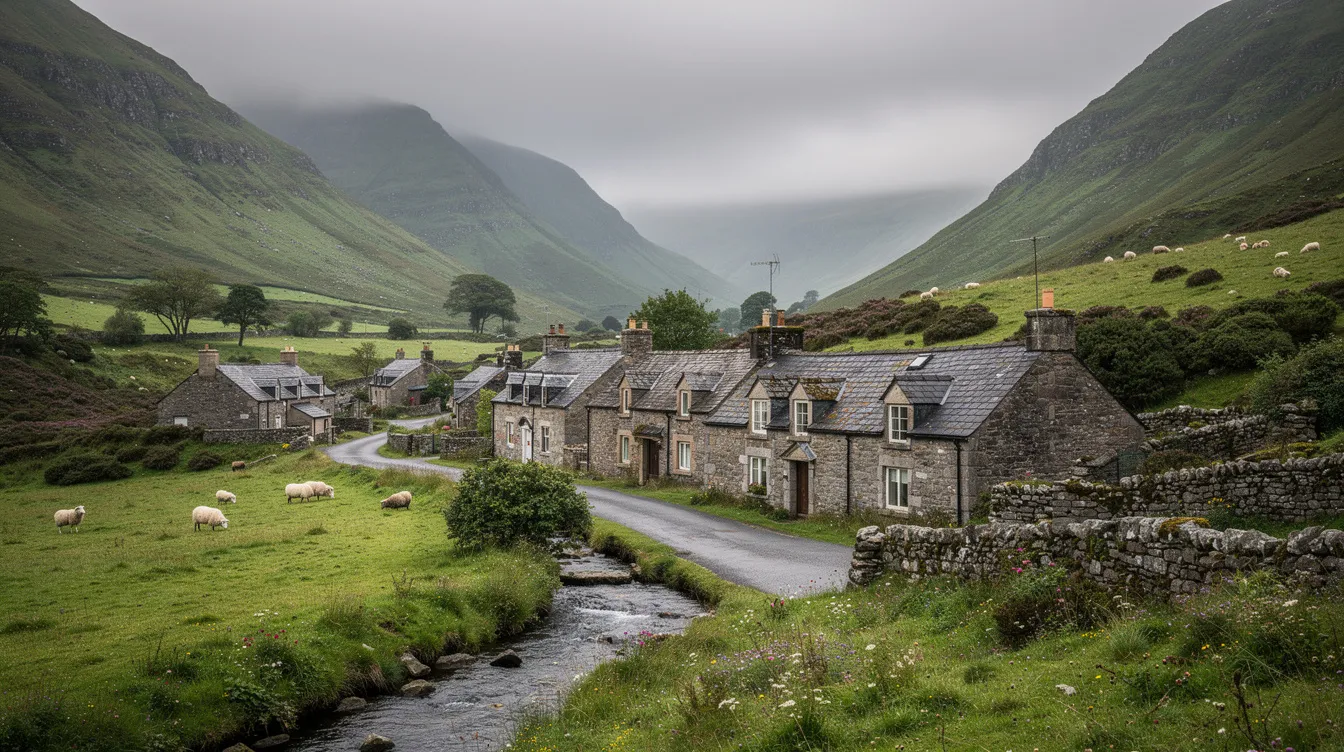
Eryri National Park Authority's Article 4 Direction took effect on 1 June 2025. Article 4 Directions require full planning applications for changes of use between C3, C5, and C6. The policy is designed to manage the oversupply of holiday accommodations and prevent local housing shortages.
The numbers behind the decision: 17.4% of Eryri's housing stock is classified as second homes or short-term holiday accommodation. In Aberdyfi, that figure reaches roughly 45%. Beddgelert sits at 34.4%. An estimated 65.5% of Eryri's population cannot afford to buy in the local housing market. The Article 4 was introduced to protect local communities, the Welsh language, and the availability of homes for local people.
Contrast this with Gwynedd Council's Article 4 Direction for areas outside the park, which the High Court quashed on 27 November 2025 because the council had not been provided with full details before making its decision. Planning requirements outside the park may currently be looser than inside Eryri as a result.
Converting a normal dwelling to a holiday let in Eryri is not something you can simply start doing. You must seek explicit approval and risk enforcement action if you do not. Always check the current Article 4 Direction wording and maps on the Eryri National Park Authority website before purchasing a property for short-term letting.
Do You Need Planning Permission for Different Short-Let Scenarios?
Whether you require planning permission in Eryri depends on how the property is used. Here are the main scenarios.
Main home with occasional lets. If you let your primary residence for a handful of weeks per year and continue living there most of the time, this is likely still C3. But if the letting becomes regular, with high guest turnover and continuous marketing, Eryri may view that as a material change of use into C6, which requires planning permission.
Pure holiday let. If a house or flat in the national park is intended almost exclusively for visitors, it falls under C6. Eryri National Park requires planning permission for all holiday lets of this type. No exceptions under the current Article 4.
Barn and outbuilding conversions. Converting a barn into a holiday let usually requires planning permission, covering design, parking, landscape impact, and highway access. If the building is a listed building or in conservation areas, additional consents apply.
Glamping pods, shepherd's huts, log cabins, and lodges. The national park authority generally treats these as permanent holiday accommodation, not temporary caravans. Planning permission is needed, and waste management, access, and visual impact will all be assessed.
Existing holiday lets predating Article 4. A Certificate of Lawful Development confirms no planning permission is needed, but only where you can prove the property operated continuously as a holiday let before 1 June 2025. Tax returns, letting contracts, utility records, and guest booking data are the kind of evidence required. Outcomes are not guaranteed.
New Licensing Scheme and Wider Rules for Holiday Lets in Wales
From autumn 2026, the Welsh Government plans a national licensing scheme for all visitor accommodation. Registration with the Welsh Revenue Authority opens in October 2026, with a legal requirement to register by 31 March 2027.
The licensing scheme will require holiday letting owners to demonstrate compliance with safety laws including gas checks, electrical testing, and fire alarms. This is a separate legal requirement from planning permission. Owners in Eryri will need both the correct use class consent and the new licence.
Tourism is essential for the economic survival of Wales, and second homeowners contribute to local economies through spending at local businesses. At the same time, local employment issues are often blamed on unregulated holiday lets displacing the housing stock available for local people. The new rules try to balance both realities.
On the tax side, a property must be available for letting at least 252 days and actually let for at least 182 days per year to qualify for business rates rather than council tax. From April 2026, owners can average letting days over two or three years. But again: meeting these thresholds does not remove the need for planning permission where regulations change under Article 4.
Plan ahead for combined compliance costs: planning application fees, any planning consultant fees, licensing charges, suitable insurances, and ongoing safety certification. If you need a holiday let mortgage, note that lenders providing such mortgages will expect evidence of proper planning consent.
How to Apply for Holiday Let Planning Permission in Eryri
The process runs in five stages: pre-application enquiry, full planning application, consultation period, decision, and any conditions attached to approval.
Eryri National Park Authority recommends using the Pre-Application Advice Service before submitting a formal application. This lets you understand local policies and SPG 16 criteria before committing to fees and design work.
A planning application must include site details, description of proposed use, and details of any physical changes. Expect to submit:
- Site plans and floor plans
- A design and access statement
- Parking and highway information
- Details on how guest numbers, season lengths, and occupancy will be controlled
The planning application decision process includes consultation with local councils and timely assessment of the application against the UK's broader short-term rental regulations. The local planning authority evaluates applications based on housing need, community impact, and regional planning policies. Planning applications undergo scrutiny regarding community impact and availability of housing for residents.
For complex projects (farm diversification, groups of holiday lodges, or conversion of traditional stone barns), hire a planning consultant or architect with specific Eryri or North Wales experience. Pass the Keys does not file planning applications or give legal advice, but can provide data on projected occupancy, guest profiles, and economic benefits to support a holiday letting owner's planning case.
Practical Tips for a Smooth Short-Let Journey in Eryri with Pass the Keys

If you want to run a successful holiday let in Eryri while staying on the right side of planning legislation, start with these steps.
Map your property against Eryri National Park and local authority boundaries. Check Article 4 coverage before investing, refurbishing, or marketing. Do this research before you spend money.
Talk to neighbours and community councils early, especially in small villages. Reducing objections during the planning process saves months. This article constitutes general guidance; for property-specific questions, speak to a qualified advisor.
Design your guest management to minimise impacts. Include parking plans, noise rules in house manuals, and occupancy limits in your planning application. Show Eryri planners you have thought about the effect on the community.
Pass the Keys helps owners maximise income from a properly consented property through dynamic pricing, professional marketing, and guest screening. Our Wales property management service covers everything from listing to guest check-in, so the cost of planning permission and compliance is justified by higher, steadier returns. Download our free owner guide or contact our prospective new owner team for a no-obligation assessment of your Eryri property's short-let potential.