The Chilterns has become one of the UK’s most desirable destinations for countryside escapes, walking holidays, and luxury rural retreats. With charming villages, scenic landscapes, market towns, and easy access from London, demand for holiday lets in the Chilterns continues to grow year-round. For homeowners, this presents a strong opportunity to generate income through the expanding short-term rental market.
However, before transforming a cottage, annex, or second home into a holiday rental in the Chilterns, it is important to understand local planning requirements. Depending on how the property is used, some owners may need planning permission before operating a holiday let business.
If you are considering launching a holiday home in the Chilterns, this guide explains the key planning considerations, local regulations, and how professional management can help homeowners succeed.
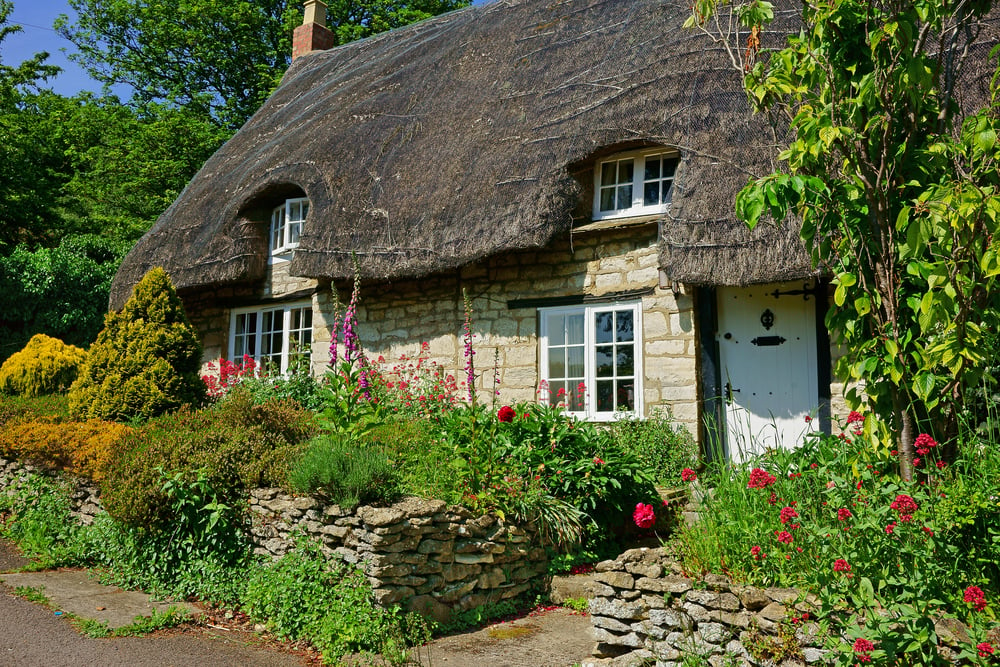
Do You Need Planning Permission for a Holiday Let?
One of the most common questions among property owners is whether a holiday let requires planning permission.
The answer depends largely on the scale of the operation and how the property functions.
A residential property used occasionally for guests may be treated differently from a home operating year-round as dedicated visitor accommodation. Local authorities often assess factors including:
- Frequency of bookings
- Guest turnover
- Parking availability
- Noise and disturbance
- Commercial activity
- Impact on neighbouring properties
If a property effectively changes from residential use to a full-time short-term rental property, planning permission may become necessary.
Why Planning Rules Matter in the Chilterns
The Chilterns is recognised for its protected countryside, conservation areas, and picturesque villages. Many properties fall within sensitive planning zones or Areas of Outstanding Natural Beauty, meaning planning controls can be stricter than in other regions.
Homeowners should pay particular attention if the property:
- Is located within a conservation area
- Is a listed building
- Requires extensions or structural alterations
- Has limited parking access
- Sits within a quiet residential setting
These factors can all influence planning decisions for a holiday let in the Chilterns.
Situations Where Permission May Be Required
Planning permission is more likely to be needed where:
The Property Operates as a Full-Time Holiday Let
A property used continuously for visitor accommodation may be viewed as commercial use rather than a private residence.
Renovations or Conversions Are Planned
Projects such as annex conversions, extensions, loft developments, or garage conversions may require separate approvals.
The Property Is Listed or Protected
Heritage properties often come with stricter planning rules, even for relatively minor works.
Guest Activity Impacts Neighbours
Frequent arrivals, parking demand, or increased activity levels can sometimes raise planning concerns.
When Permission Might Not Be Necessary
In some cases, homeowners may not require planning permission, particularly where:
- Lettings are occasional
- The owner still occupies the property
- Guest use remains low impact
- No major alterations are planned
However, because planning decisions vary depending on individual circumstances, homeowners should always seek advice before launching a holiday rental business in the Chilterns.
The Risks of Ignoring Planning Rules
Operating a holiday let without planning permission where approval is required can create significant issues.
Potential consequences may include:
- Enforcement notices
- Financial penalties
- Restrictions on future use
- Insurance complications
- Legal expenses
Resolving planning problems retrospectively is often far more expensive than addressing compliance from the beginning.
Managing a Successful Holiday Let in the Chilterns
Running a successful holiday let in the countryside involves far more than simply listing a property online. Managing bookings, guest communication, cleaning, pricing, and maintenance can quickly become time-consuming for homeowners.
Pass the Keys helps property owners maximise returns from their holiday lets in the Chilterns through professional management services. From listing optimisation and dynamic pricing to guest support and property care, Pass the Keys helps homeowners create high-performing holiday rentals while reducing day-to-day stress.
Final Thoughts
The Chilterns remains one of the UK’s most attractive locations for holiday cottages, short-term rentals, and rural escapes. However, before launching a property as a holiday let, homeowners should ensure they fully understand local planning requirements.
Rules surrounding holiday let planning permission, Airbnb regulations, and property use can vary depending on the location, property type, and level of activity.
By taking the right steps early and partnering with experienced professionals such as Pass the Keys, homeowners can build compliant, profitable, and successful holiday lets in one of the UK’s most sought-after countryside destinations.