If you own a property in Glasgow or Renfrewshire and plan to welcome paying guests, the regulatory landscape has changed significantly. Scotland's short term let licensing scheme now requires every host to hold a valid licence, and a new visitor levy is on the horizon. This guide walks you through everything you need to know to stay compliant and profitable.
Airbnb Management, Licensing and Visitor Levy – Quick Overview
Whether you let a city-centre apartment for weekend breaks or a rural cottage near Paisley, Airbnb management in Glasgow and Renfrewshire now means navigating a structured licensing regime. All short term rentals in Glasgow require a licence since January 2025, and Renfrewshire follows the same deadline. On top of that, Glasgow City Council has approved a 5% visitor levy on overnight stays, set to begin on 25 January 2027.
If you're already operating or thinking about starting, you need to be aware of three compliance pillars:
- Short term let licence – mandatory for all paid guest stays under 31 days, whether you list on Airbnb, Booking.com, or take direct bookings
- Planning permission / change of use – separate from licensing; particularly relevant for flats and properties used entirely for commercial purposes
- Local taxes and the visitor levy – council tax or non domestic rates depending on usage, plus the upcoming Glasgow visitor levy
Here's a quick snapshot of what applies to you:
- Glasgow flat, secondary letting → licence required, planning permission likely needed, visitor levy from 2027
- Glasgow house, home sharing → licence required, planning risk lower, visitor levy applies
- Renfrewshire cottage, secondary letting → licence required, check planning with local council, no visitor levy confirmed yet
- Renfrewshire spare room, home letting → licence required, planning risk minimal, confirm fees with Renfrewshire Council
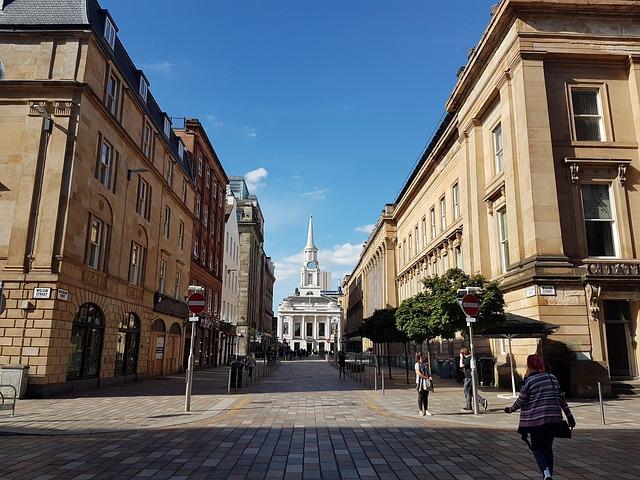
Who Needs a Short Term Let Licence in Glasgow and Renfrewshire?
Scotland's short term let licensing regulations apply nationally. The Scottish Government passed the Civic Government (Scotland) Act 1982 (Licensing of Short-Term Lets) Order in January 2022, and the scheme came into force on 1 March 2022. Both Glasgow City Council and Renfrewshire Council act as the licensing authority in their respective areas, administering applications and enforcing compliance.
A short term let is defined as residential accommodation provided to guests, in the course of business, where a charge is made, for stays under 31 days. This covers self catering apartments, serviced flats, guest houses, B&Bs, and traditional holiday lets. Short term let licences are categorised as secondary letting, home letting, home sharing, or a combination of home letting and home sharing.
Here's what each licence type means in practice:
- Secondary letting – a property that is not your principal home, let out entirely to guests (e.g. a second home or investment flat on Byres Road listed for weekend city breaks)
- Home letting – letting all or part of your own home while you are absent (e.g. renting out your Paisley flat while on holiday)
- Home sharing – letting a room in your home while you remain present (e.g. a spare bedroom during a major event at the SEC)
- Home letting and home sharing – a combination of both arrangements at different times
Each short term let property requires a separate licence application. You cannot cover multiple properties under one property licence.
The following situations are generally exempt or lower-risk:
- Accommodation used by close family members with no charge
- Stays where the guest uses the premises as their principal home
- Some purpose-built aparthotels or excluded tenancies
- Educational accommodation in certain circumstances
However, you should always double-check with the relevant council. Operating a short term let without a licence in Glasgow or Renfrewshire is a criminal offence, with fines of up to £2,500. Booking platforms increasingly require a licence number on listings, and advertising without one can itself trigger enforcement action.
For a broader look at how short-letting rules and regulations work across the UK, it's worth understanding how Scotland's approach compares.
Key Dates and Deadlines for Hosts
The licensing scheme rolled out in phases. Here are the dates that matter for Glasgow and Renfrewshire hosts:
|
Date |
What happened |
|---|---|
|
19 January 2022 |
Licensing Order passed by the Scottish Government |
|
1 March 2022 |
Order came into force nationally |
|
1 October 2022 |
Licence required for all new short term lets in residential accommodation (Renfrewshire) |
|
1 October 2023 |
Deadline for existing operators in Renfrewshire to submit a licence application |
|
1 January 2025 |
All operators in both Glasgow and Renfrewshire must hold a valid short term let licence - no grace period remains |
|
25 January 2026 |
Advance bookings made from this date onward for stays after levy go-live must anticipate Glasgow's visitor levy |
|
25 January 2027 |
Glasgow's 5% visitor levy goes live on overnight paid accommodation |
Renfrewshire Council has not yet confirmed its own visitor levy timetable. The Visitor Levy (Scotland) Act 2024 gives each local authority power to set its own start date and rate, so Renfrewshire hosts should monitor the council's website for updates.
Glasgow City Council's Short Term Let Licensing Rules
Glasgow City Council's Licensing Section administers the new licensing scheme across all four licence types. Fees depend on your licence type and maximum occupancy:
- Secondary letting – £250 (grant) for 4 or fewer guests; £400 for 5 or more
- Home letting or home sharing – £125 (grant) for 4 or fewer guests; £275 for 5 or more
- Variation applications – approximately £75 regardless of type
Licences last for up to three years before renewal is needed. Glasgow assesses maximum occupancy based on room sizes and floor areas. Children under 2 are normally excluded from capacity calculations, though they must still be considered for safety requirements.
During the application process, mandatory public notices must be displayed for 21 days, giving neighbours and other stakeholders the opportunity to object or comment. The regulatory committee may review contested applications.
Glasgow maintains a public register of short term lets. This register lists each licence with its address, licence number, licence type, maximum number of guests, status (active, suspended, or revoked), and key dates. Neighbours can check the register to confirm whether a property is legitimately licensed.
Civic Licensing Standards Officers in Glasgow are responsible for checking compliance, inspecting premises, and issuing enforcement notices where licence conditions or safety standards are breached. Expect inspections to cover fire safety, guest capacity, and documentation.
Renfrewshire Short Term Let Licensing – How It Differs from Glasgow
Renfrewshire Council follows the same national framework as Glasgow but applies its own fees, additional conditions, and internal processes. Licences also last for three years, and the same four licence types apply.
Key differences Renfrewshire hosts should be aware of:
- Occupancy counting – children under 10 are not counted towards guest numbers in Renfrewshire, whereas Glasgow's threshold is typically under 2
- Garden and external areas – Renfrewshire explicitly prohibits using gardens or external parts to host additional guests in tents, caravans, or similar structures
- Waste management – secondary letting properties must have a commercial waste uplift contract; bins must be labelled and storage kept tidy
- Arrival and departure – licence conditions often restrict guest arrivals to between 7am and 11pm, with quiet hours enforced
- Fee structure – Renfrewshire's fees scale by number of bedrooms and tend to be higher for secondary letting with larger properties
Much of Renfrewshire has a more suburban and rural character than central Glasgow-think Paisley town centre flats, Bishopton family homes, or countryside cottages. Planning permission issues can differ from dense Glasgow tenements, particularly around parking, access, and neighbour amenity.
If you manage a portfolio spanning both areas, standardise your safety compliance to whichever council sets the higher standard, then adapt your admin processes to each council's specific forms and deadlines.
Planning Permission: Flats, Houses and Secondary Letting
Licensing and planning permission are separate regimes. Holding a short term let licence does not automatically mean you satisfy planning rules, and operators must check if their property requires planning permission for a change of use before applying for a licence.
In Glasgow, flats-especially tenements and city-centre apartments-are treated as Sui Generis when used as short term lets. Frequent whole-flat letting with services like professional cleaning and lockbox access often counts as a material change of use, meaning planning permission is required. Flats in Glasgow generally require planning permission for short term lets, and planning permission requirements can differ based on property type and location within Glasgow. Residential neighbourhoods face stricter short term rental rules, and conservation areas may require additional permissions for rentals.
Houses used as single-household holiday lets carry lower planning risk, but intense commercial use-multiple bookings per week, signage, or multiple guest groups simultaneously-can still trigger the need for consent.
Glasgow does not have Short-Term Let Control Areas (unlike Edinburgh, which designated a city-wide control area). However, Glasgow City Council's planning team assesses cases on a case-by-case basis and can take enforcement action where unauthorised change of use has occurred.
Renfrewshire has also not introduced any control area designations. Hosts in Renfrewshire should still seek pre-application advice from planning teams, especially for flats or rural properties where planning permission considerations around parking, access, or neighbour amenity may apply.
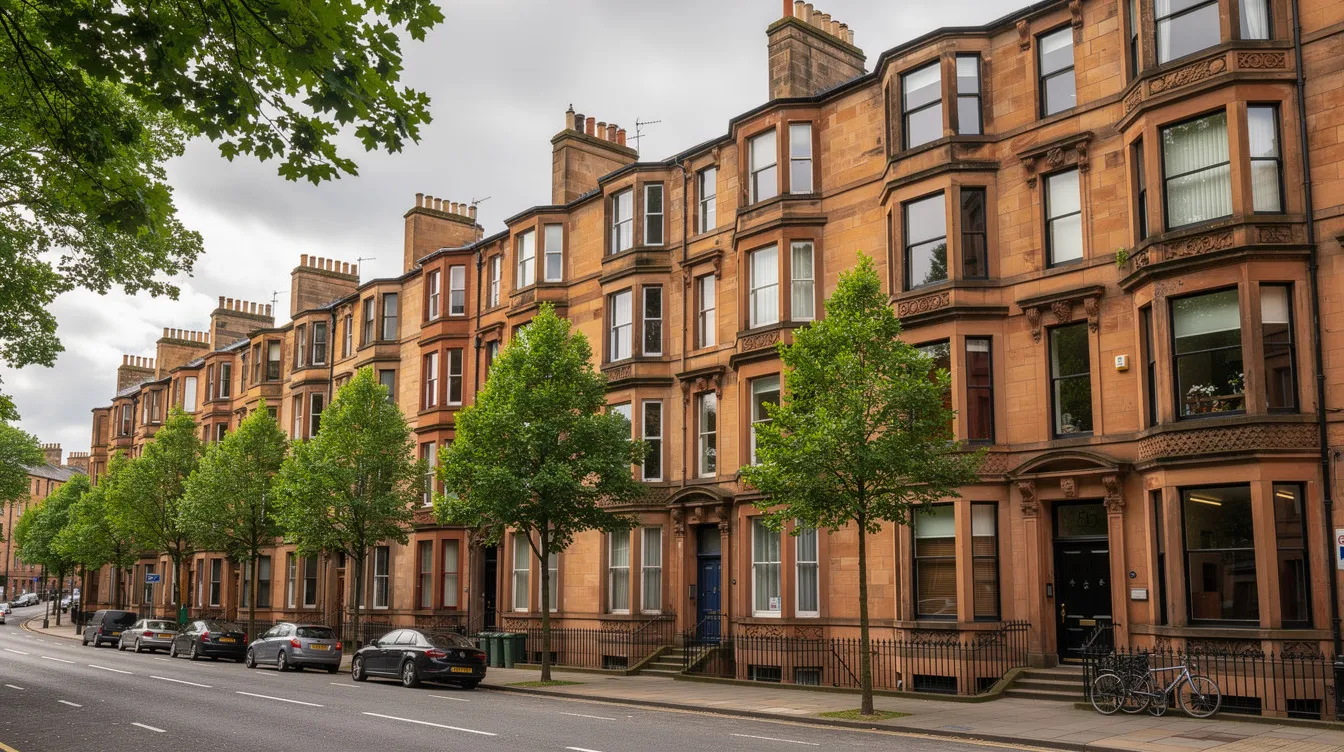
Application Form, Required Documents and Safety Standards
When you apply for a short term let licence in Glasgow or Renfrewshire, you will need to submit the following documentation:
Safety certificates and assessments:
- A valid gas safety certificate, required if the property has a gas supply, renewed annually
- An electrical installation condition report, required at least every five years
- Portable appliance testing records for any moveable electrical appliances guests will use
- A legionella risk assessment for the water system
- A written fire risk assessment conducted for each property
Detection and alarms:
- Smoke alarms are mandatory in all short term rentals, installed according to current Scottish standards
- Carbon monoxide detectors are required wherever gas appliances are present
- Smoke and carbon monoxide detection equipment must meet the applicable regulations
Insurance and plans:
- Buildings insurance covering short term let use
- Public liability insurance, which is mandatory for short term rentals
- A floor plan is required for the licence application process-typically at 1:50 scale, showing room sizes, bed positions, doors, escape routes, the location of smoke and heat alarms, fire doors, and any internal stairs or lifts
- A valid EPC rating
- Evidence of planning permission or a certificate of lawfulness, where applicable
Administrative evidence:
- Proof of identity and right to work
- For legacy hosts in Glasgow, evidence of operation prior to 1 October 2022 (where historically relevant)
All safety documentation must be submitted with the licence application, and safety documentation must be maintained and kept up to date throughout the licence period. Glasgow City Council allows document uploads through its online portal. For guidance on insurance requirements for holiday lets, it's worth reviewing what your policy actually covers.
Fees, Council Tax, Business Rates and the Glasgow Visitor Levy
Understanding the full cost of operating a short term let means looking beyond licence fees.
Licence fees in Glasgow (current schedule):
|
Licence type |
Grant (≤4 guests) |
Grant (5+ guests) |
Renewal (≤4 guests) |
Renewal (5+ guests) |
|---|---|---|---|---|
|
Secondary letting |
£250 |
£400 |
£200 |
£350 |
|
Home letting / home sharing |
£125 |
£275 |
£75 |
£225 |
A short term let licence lasts up to three years, so renewal fees apply every cycle. Renfrewshire's fees differ and should be confirmed on the council's latest schedule.
Council tax vs non domestic rates:
If your property is advertised for 140 or more nights and actually let for at least 70 nights in a financial year, it may move from council tax to non domestic rates. Council tax applies if the property is not let for 70 nights. This threshold works the same way in both Glasgow and Renfrewshire. For more on how business rates affect holiday lettings, the rules are worth reviewing carefully.
Glasgow's visitor levy:
A visitor levy of 5% starts on 25 January 2027, applying to all paid overnight accommodation in the city. This includes self catering properties, guest houses, B&Bs, and serviced apartments-even those operating below the VAT threshold must charge it. Returns are submitted quarterly, and accommodation providers retain a small administrative percentage (around 1.5%) to offset collection costs. Glasgow expects to generate between £15.9 million and £16.1 million annually from the levy.
Tax obligations:
VAT at 20% applies to short-stay accommodation rentals where you exceed the VAT registration threshold. Income from short term rentals must be declared to HMRC regardless of the amount. Hosts should speak with an accountant about VAT registration, income tax, and whether the Rent a Room scheme or any remaining furnished holiday let provisions might apply alongside short term let licensing.
Glasgow City Council's Additional Conditions and Neighbour Relations
Beyond safety standards, Glasgow City Council's short term let licences carry additional conditions focused on refuse, noise, and neighbour communication.
Many licences require hosts to provide guests with a written information booklet covering bin days, recycling procedures, noise expectations, smoking rules, and emergency contact details. Licence holders may need to notify adjoining neighbours of emergency contact numbers and provide a certificate of compliance to Glasgow City Council within 14 days of licence start, confirming this has been done.
Common good-practice steps that help avoid enforcement action or licence review:
- Establish robust house rules covering quiet hours (typically 11pm to 7am), smoking prohibitions, and occupancy limits
- Respond promptly to any neighbour complaints
- Keep copies of all neighbour communications and guest information packs, ready to show Civic Licensing Standards Officers if requested
Investing in proper guest verification processes also helps maintain property managers' and neighbours' peace of mind.
Public Register, Enforcement and What Happens If You Don't Comply
Glasgow City Council's public register lists each short term let licence with its address, licence number, letting type, maximum occupancy, status, and key dates. The register is accessible online, enabling neighbours and local authorities to verify whether a property is legitimately licensed.
Enforcement involves multiple agencies:
- Civic Licensing Standards Officers inspect properties, check documentation, and can suspend or revoke licences
- Planning enforcement officers investigate unauthorised changes of use and can issue stop notices
- Police Scotland may become involved where there is suspected criminal activity or serious anti-social behaviour
Consequences of non-compliance include:
- Refusal, suspension, or revocation of an existing licence
- Fines for operating without a licence-a criminal offence carrying penalties of up to £2,500
- Separate planning enforcement action, including stop notices, where there is no planning permission
- Being banned from reapplying for a licence for up to one year
- Listing a property online as a short term let without a licence, or advertising more guests than the maximum occupancy the licence allows, can itself constitute a criminal offence under civic government legislation
Licences must be displayed on online listings, and platforms may delist properties that cannot provide accurate information about their licence status.
How Pass the Keys Helps with Airbnb Management in Glasgow and Renfrewshire
Pass the Keys provides end-to-end Airbnb management in Glasgow and Renfrewshire, covering revenue optimisation, guest communication, professional cleaning, linen, and key management across entire portfolios.
The team can guide owners through the short term let licence application process, coordinate gathering all required documentation-safety checks, layout plans, insurance-and keep records organised for council inspections. Pass the Keys stays up to date with Glasgow City Council's and Renfrewshire Council's changing requirements, including visitor levy rules, so clients remain compliant without having to track every policy update themselves.
If you'd rather focus on guest experience than paperwork, find out whether there's a local Airbnb manager in Glasgowwho can help, or visit the Glasgow management page to discuss your property, expected income, and a tailored compliance plan.
Next Steps Checklist for Prospective Hosts
If you're launching or regularising a short term let in Glasgow or Renfrewshire, here's your action plan:
- Confirm your licence type – home sharing, home letting, secondary letting, or combination
- Check planning permission risk – especially if you own a flat, operate in a conservation area, or let for commercial use
- Gather safety documentation – gas safety certificate, electrical installation condition report, fire risk assessment, PAT records, legionella assessment, smoke alarms, carbon monoxide detection
- Apply for a short term let licence – submit through the relevant council's portal with all required evidence, layout plan, and insurance
- Prepare for financial obligations – council tax or non domestic rates, visitor levy registration (Glasgow), and accurate HMRC reporting
- Keep a digital compliance folder – copies of the licence, safety certificates, insurance policies, and council correspondence, ready for inspection at any time
If Glasgow City Council's or Renfrewshire's new regulations feel overwhelming, consider professional support from Pass the Keys so you can fully understand your obligations without drowning in admin.
While Scotland's short term let rules are detailed, once properly set up they provide clarity, protect guests and neighbours, and support a sustainable, profitable hosting business. Getting compliance right from day one means fewer surprises-and more time focused on delivering great guest experiences.