
The Off-Season Maintenance Checklist for Holiday Homes in UK
Focus: As the tourist season winds down, it's crucial for holiday home owners to focus on essential maintenance tasks to keep their properties in top condition.
Preparing Your Holiday Property for the Off-Season
Holiday homes in the UK need regular off-season maintenance to stay secure, compliant and guest-ready. If you own a holiday home in the UK, this guide focuses on the essential jobs that protect the property between bookings, reduce the risk of damage and costly repairs, and help you manage costs more effectively across the year through responsible upkeep and annual budget management.
The off-season is the right time to prepare your holiday property for the next wave of visitors, starting with an early-spring inspection for any winter damage before you begin seasonal upkeep. This involves more than just cleaning up; it includes securing the property, checking for leaks, sealing windows and doors, testing the heating system, reviewing inventory, and making sure health and safety and fire safety requirements are up to date, while proactive checks can save money by reducing avoidable repair bills.
Additionally, consider performing a deep clean of your entire holiday property. This includes carpets, curtains, upholstery, and laundry service. A thorough cleaning now will make regular maintenance easier during the busier months.
At Pass the Keys, we can help arrange many of these essential off-season tasks for you — from organising deep cleans to coordinating maintenance checks — so you can have peace of mind that your property is always guest-ready.
Essential Maintenance Checklist Tasks to Tackle
Regular maintenance is key to the longevity and safety of your holiday home. Begin with the plumbing system; check for leaks in washing machines and taps, catch drips early before they turn into larger maintenance issues, and ensure all pipes are insulated. Inspect the roof for any damage and clean out gutters to prevent blockages and help protect the property from water damage. Trim overgrown hedges around the house to reduce risk in bad weather. Don’t forget to inspect individual rooms during off-season checks.
Another critical task is to service all appliances. This includes the heating and cooling systems, kitchen appliances, and laundry machines. Service your boiler annually to help prevent heating failures. Regular servicing can prevent breakdowns and extend the lifespan of your equipment. Where fitted, check air conditioning alongside ventilation and indoor air circulation to keep the indoor environment comfortable.
Conducting Thorough Inventory Checks
An inventory check is crucial to ensure all items in your holiday home are accounted for and in good condition. Start by listing all furnishings, electronics, kitchenware, linens, pillows, soft furnishings, and other essentials. Verify their condition and note any items that need repair or replacement.
Consider using inventory management software to keep track of items and their statuses. This will not only help in maintaining your property but also in providing a seamless experience for your guests. Inventory reviews should also cover the features guests expect in self-catering cottages, such as fully equipped kitchens, multiple bedrooms, and outdoor furniture in private gardens.
It's also worth paying attention to guest feedback during this process. If guests have mentioned new ideas on how to improve the overall experience, take note — their first-hand perspective of staying in your property can be invaluable for making meaningful upgrades. Inventory checks are also a good time to review whether your holiday accommodation still feels complete and pleasant for guests.
Ensuring Health and Safety Compliance for Peace of Mind
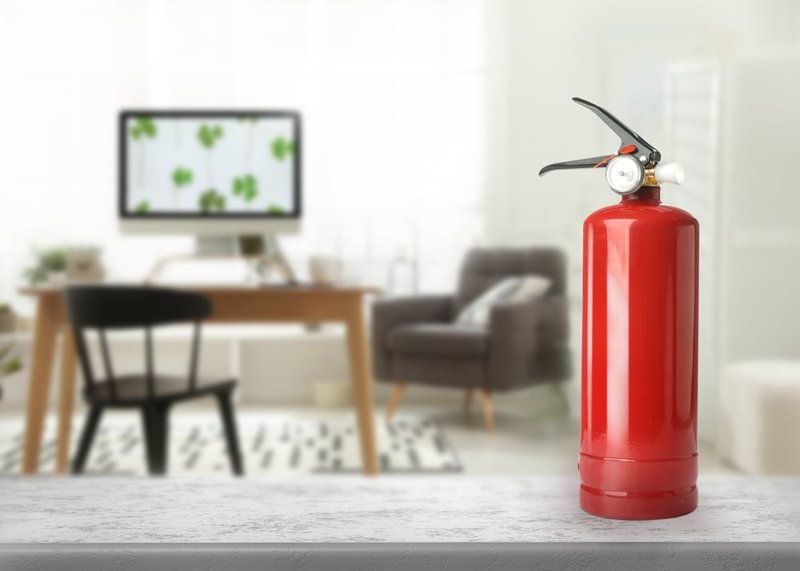
Have you had your fire safety check carried out, and are all alarms up to current regulations? It's vital to make sure that smoke detectors and carbon monoxide alarms are fully functional and compliant. Fire extinguishers should also be in place and recently serviced.
In addition, review your property's accessibility features to confirm they meet current standards. This includes handrails, ramps, and adequate lighting. Ease of access by car or public transport is also an important location consideration. Guest expectations often extend to secure parking, fast WiFi and high-quality outdoor furniture. A dog-friendly setup with dedicated areas for pets can also support safer, smoother stays for guests travelling with dogs. Staying compliant not only keeps your guests safe but also protects you from potential legal issues.
Fire Safety: A Critical Off-Season Task
Fire safety should be a top priority during the off-season. Schedule a professional chimney sweep to clear any soot and debris that could cause a fire. Check that any winter precautions or shutdown steps also meet your insurance requirements. Inspect all fire safety equipment, including fire alarms, extinguishers, and fire blankets, to ensure they are in working order. While the property is unoccupied, review locks, exterior lighting, and other security measures as well.
Additionally, review your fire safety plan and make any necessary adjustments. Ensure that all fire exits are clearly marked and accessible. Taking these extra precautions gives owners an advantage during the off-season by reducing avoidable risks. Providing clear instructions for guests on what to do in case of a fire can make a significant difference in an emergency. If you need help arranging checks or confirming requirements, contact your provider or a relevant professional.
The Ultimate Holiday Home Off-Season Maintenance Checklist
Property Security
Exterior
☐ Lock all doors and windows
☐ Check all locks, handles, and deadbolts
☐ Set alarm system and test sensors
☐ Activate security cameras and remote monitoring
☐ Install or check motion-activated lighting
☐ Store outdoor furniture or secure it against wind
☐ Lock garages, sheds, and storage areas
☐ Hide or secure valuables from view
☐ Stop mail or arrange regular collection
☐ Inform a trusted neighbour or property manager of vacancy
Interior
☐ Remove valuable items or lock them in a safe
☐ Close curtains or blinds appropriately (leave some partially open if preferred for a lived-in appearance)
☐ Unplug unnecessary electrical appliances
☐ Leave essential devices connected if required (Wi-Fi, security system, smart devices)
Water & Plumbing
☐ Turn off the main water supply (if appropriate)
☐ Drain pipes if the property will be vacant during freezing weather
☐ Turn off washing machine and dishwasher water valves
☐ Empty water filters if required
☐ Check for existing leaks under sinks and appliances
☐ Clean drains and use drain covers
☐ Pour water into infrequently used drains to maintain traps (or use approved trap seal products for extended vacancies)
☐ Check hot water system settings
Heating, Cooling & Ventilation
☐ Set heating to frost protection or minimum safe temperature during winter
☐ Set air conditioning to humidity control (where available)
☐ Replace HVAC filters
☐ Clean vents and air returns
☐ Leave internal doors open for better air circulation
☐ Open wardrobes and cupboards slightly to reduce condensation
☐ Use a dehumidifier if required (ensure safe drainage)
Electrical
☐ Switch off non-essential circuit breakers if appropriate
☐ Test smoke alarms
☐ Test carbon monoxide alarms
☐ Replace batteries where needed
☐ Check emergency lighting (if installed)
☐ Verify surge protection devices
Kitchen
☐ Empty refrigerator and freezer (or leave running if necessary)
☐ Clean refrigerator thoroughly
☐ Leave refrigerator and freezer doors slightly open if switched off
☐ Empty rubbish bins
☐ Remove all perishable food
☐ Store dry foods in sealed containers
☐ Clean oven and hob
☐ Run dishwasher cleaning cycle
☐ Leave dishwasher door slightly open
Bathrooms
☐ Clean showers, baths, sinks, and toilets
☐ Remove toiletries that may expire or leak
☐ Check sealant around showers and baths
☐ Flush toilets before leaving
☐ Clean extractor fans
Laundry
☐ Leave washing machine door open
☐ Clean detergent drawer
☐ Empty tumble dryer lint filter
☐ Clean dryer vent if applicable
Pest Prevention
☐ Remove all food sources
☐ Seal rubbish bins tightly
☐ Inspect for rodent entry points
☐ Seal gaps around pipes and vents
☐ Check loft and crawl spaces
☐ Set preventative pest traps where appropriate
Exterior Maintenance
Roof & Gutters
☐ Clean gutters and downpipes
☐ Check roof for damaged or missing tiles/shingles
☐ Inspect flashing around chimneys and skylights
Garden
☐ Mow lawn before departure
☐ Trim hedges and shrubs
☐ Remove weeds
☐ Prune overhanging branches
☐ Empty garden waste bins
☐ Set irrigation timers appropriately
Decks & Patios
☐ Sweep leaves and debris
☐ Clean outdoor surfaces
☐ Cover barbecue
☐ Turn off gas supply to BBQ
Utilities
☐ Record electricity meter reading
☐ Record water meter reading
☐ Record gas meter reading
☐ Check internet connection remotely
☐ Verify smart home systems are online
Fire Safety
☐ Remove combustible materials near heat sources
☐ Store gas cylinders safely
☐ Check fire extinguishers are fully charged
☐ Ensure escape routes remain clear
Weather Preparation
Winter
☐ Insulate exposed pipes
☐ Cover outdoor taps
☐ Clear snow equipment access
☐ Check roof after storms (if possible)
Summer
☐ Close shutters where appropriate
☐ Protect outdoor furniture from UV damage
☐ Water sensitive plants or arrange care
Coastal Properties
☐ Rinse metal fixtures to reduce salt corrosion
☐ Inspect windows and doors for salt damage
☐ Check storm shutters
Cleaning Before Departure
☐ Vacuum throughout property
☐ Mop hard floors
☐ Dust all surfaces
☐ Wash bed linen
☐ Remove towels for laundering
☐ Clean windows if necessary
Inventory Check
☐ Photograph each room before leaving
☐ Check appliances are functioning
☐ Update inventory list
☐ Record any maintenance issues
Maintenance Schedule
Monthly
☐ Inspect for leaks
☐ Check security system
☐ Run taps and flush toilets
☐ Air the property
☐ Check for mould or damp
Quarterly
☐ Service HVAC system
☐ Inspect roof and gutters
☐ Test all alarms
☐ Check pest activity
Annually
☐ Service boiler or heating system
☐ Chimney inspection and cleaning (if applicable)
☐ Electrical safety inspection
☐ Plumbing inspection
☐ Exterior repainting or touch-ups as needed
☐ Deep clean the property
Before Returning
☐ Turn on water supply
☐ Inspect for leaks before full use
☐ Restore electricity as required
☐ Open windows to ventilate
☐ Test appliances
☐ Check internet and Wi-Fi
☐ Restock essentials
☐ Make beds with fresh linen
☐ Run hot water for several minutes
☐ Walk around the exterior for any storm or weather damage
Emergency Contacts
Property Manager: __________________________
Neighbour: _________________________________
Electrician: ________________________________
Plumber: __________________________________
Heating Engineer: __________________________
Gardener: _________________________________
Insurance Company: _________________________
Emergency Utility Numbers: _________________
Tip: If the property is vacant for more than 30–60 days, schedule regular inspections (every 2–4 weeks) to identify leaks, storm damage, pest issues, or security concerns before they become major problems. Keep a dated maintenance log with photos to simplify insurance claims and track the property's condition over time.