
Urban vs Rural Hosting: Changing Demand Patterns in the UK Short-Term Rental Market
Focus: Urban and rural short-term rental demand in the UK is shifting, with hosts needing to adapt their pricing, amenities, and strategy to maximise occupancy and rental income.
The UK short-term rental market is evolving quickly. City breaks and urban short lets remain important, but they are no longer the only driver of demand. More guests are choosing countryside stays, rural holiday lets, and longer work-from-anywhere bookings. For property owners, Airbnb hosts, and landlords, this shift is creating new opportunities to increase rental income and improve occupancy rates.
So, what is actually changing in short-term rental demand?
Guest expectations have shifted across the UK holiday rental market. Flexibility through remote work, a stronger focus on wellbeing, and demand for unique travel experiences are all influencing booking behaviour.
There is strong data behind this trend. The UK Office for National Statistics reports continued growth in domestic tourism spending since 2021, while VisitBritain shows that rural tourism, countryside accommodation, and UK staycations are outperforming pre-pandemic levels.
In simple terms, demand for short-term rentals is no longer concentrated in major cities. Both urban and rural Airbnb markets are growing, but in different ways.
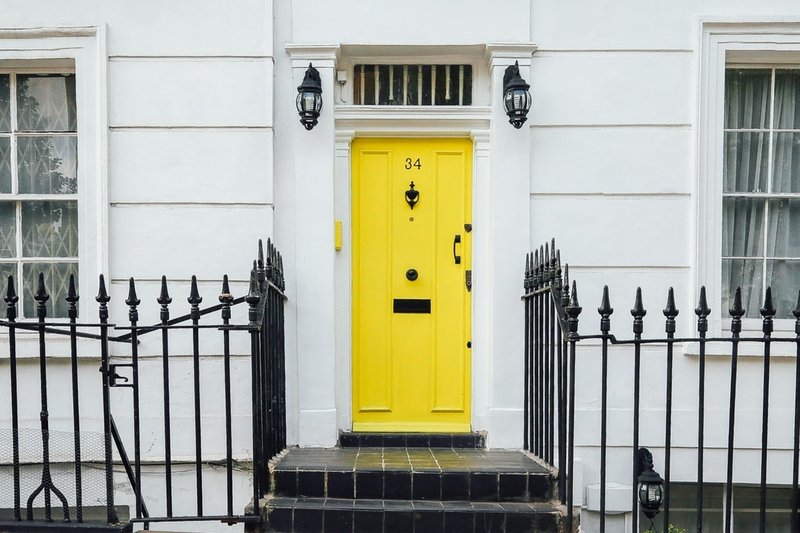
Urban hosting is still reliable, but more competitive
Urban short-term rentals in cities such as London, Manchester and Edinburgh continue to deliver consistent bookings. These locations remain popular for business travel, city breaks, and corporate stays.
However, the urban Airbnb market is becoming more competitive.
Guests are comparing more listings, searching for better value, and prioritising amenities before booking. At the same time, there is a clear rise in mid-term rentals, especially among remote workers, digital nomads, and international visitors staying for several weeks.
Guests booking city stays now expect:
- A dedicated workspace for remote work
- Fast and reliable Wi-Fi for business and leisure
- Flexible check-in and self check-in options
- Transparent and competitive Airbnb pricing
Urban hosts who optimise their listings for these needs are more likely to improve occupancy rates and increase nightly revenue.

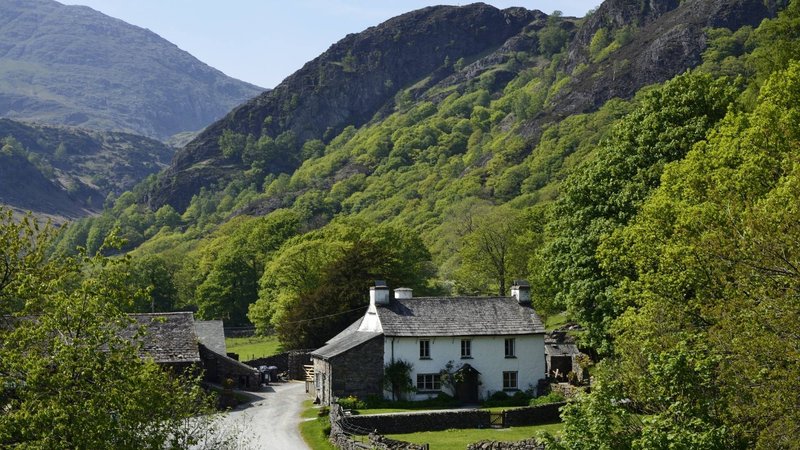
Rural hosting is not just a trend in the UK holiday let market
Demand for rural holiday lets, countryside Airbnbs, and UK staycation properties has shifted from a short-term spike to a long-term trend.
Popular destinations such as the Cotswolds, Lake District and Cornwall continue to see strong booking demand. Guests are actively searching for rural accommodation that offers space, privacy, and a more relaxed travel experience.
Rural short-term rentals are also benefiting from longer average stays. Many bookings now range from four to seven nights or more, helping hosts achieve higher occupancy and more stable income.
Guests searching for rural Airbnb properties are typically looking for:
- Outdoor space such as gardens, terraces, or countryside views
- Unique holiday homes such as cottages, cabins, and luxury rural retreats
- Peaceful locations that offer a break from busy urban environments
Optimising your rural property listing with these features can significantly increase bookings and improve search visibility on platforms like Airbnb and Booking.com.
The real difference between urban and rural short-term rentals
It is less about which performs better and more about how each segment of the short-let market behaves.
Urban short-term rental properties typically benefit from:
- Consistent, year-round occupancy rates
- Higher booking frequency with shorter stays
- Demand from business travellers and city tourists
Rural holiday lets and countryside rentals often benefit from:
- Higher nightly rates and premium pricing
- Longer stays and fewer gaps between bookings
- Seasonal demand peaks during summer, school holidays, and festive periods
Understanding these differences allows hosts and landlords to build a more effective Airbnb pricing strategy and maximise rental yield.

What this means for property owners, landlords, and Airbnb hosts
Many UK property investors and short-term rental hosts are no longer choosing between urban and rural properties. Instead, they are diversifying their portfolios to maximise returns.
A balanced short-term rental portfolio can help:
- Increase rental income across different markets
- Reduce risk linked to seasonality
- Attract a wider range of guests, from business travellers to holidaymakers
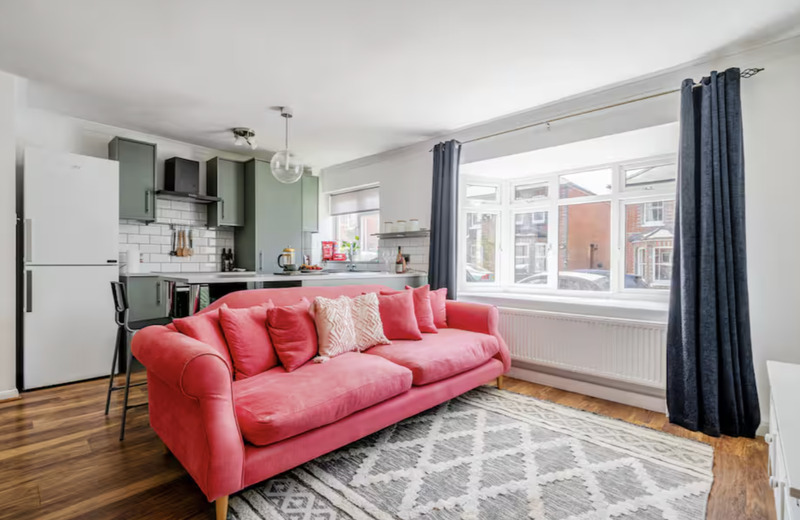
There is also growing demand for short-term rentals in commuter towns and locations just outside major cities. These areas combine accessibility with more space, making them highly attractive for longer stays and remote work bookings.
FAQs: Urban vs Rural Hosting in the UK
It depends on the location, property type, and pricing strategy. Rural holiday lets can achieve higher nightly rates and longer stays, while urban Airbnb properties benefit from consistent demand and higher booking frequency.
Yes. Mid-term rentals between seven and twenty-eight days are growing in popularity, especially among remote workers, contractors, and international travellers.
Across both urban and rural properties, the most in-demand amenities include:
- Fast and reliable Wi-Fi
- Clean, modern, and well-designed interiors
- Flexible booking and check-in options
- Unique features that improve guest experience and reviews